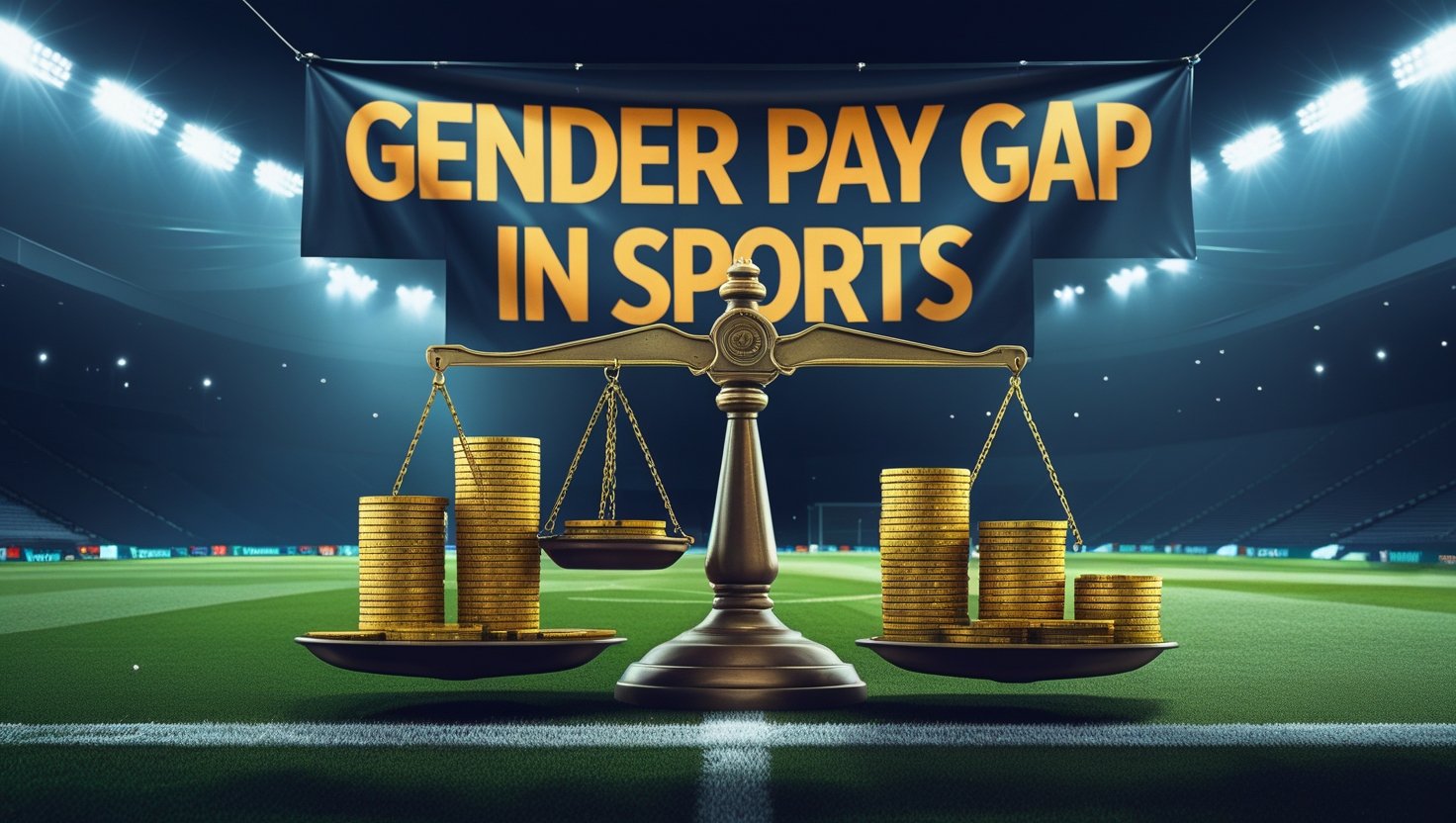
Over the years, we have heard about the pay gap in every department around the world. And now in sports as well, this debate over the pay gap has sparked a lot recently. The demand is that women must be paid the same as men in sports. Imagine a field where talent earns its rightful reward, but the numbers reveal a different story. The Gender Pay Gap in Sports isn’t just a headline; it’s a stark reminder that, when it comes to compensation, Numbers Don’t Lie. This article explores the deep roots of economic disparity in sports, shedding light on why female athletes earn significantly less than their male counterparts despite comparable skills and passion. With a mix of historical context, data analysis, and the influence of media and sponsorship, we uncover the layers behind the gap and look toward a future where equal pay becomes the new norm.
Legacy of Inequality:
Long before the advent of modern analytics, sports were marred by traditions that undervalued talent based on gender. Historical practices laid the groundwork for a persistent imbalance. For decades, institutional biases and limited opportunities relegated female athletes to secondary roles. Funding, training facilities, and exposure were significantly less accessible to women, a trend that has long-lasting effects on career earnings.
Today, despite monumental strides in women’s sports, catalyzed by groundbreaking policies and social movements, the vestiges of past inequities linger. Programs like Title IX altered the landscape, yet the economic rewards have not scaled proportionately. The old adage that “numbers don’t lie” applies here; quantifiable differences in salary, endorsements, and overall revenue clearly show that female athletes are still fighting for parity. Such inequality is not merely a relic of the past but an ongoing challenge that continues to influence contract negotiations, prize money allocations, and sponsorship deals across all levels of competition. The steep legacy of undervaluing women in sports underscores both the urgency and complexity of achieving genuine equal pay.
When Numbers Don’t Lie:
Data paints a vivid picture, one in which the gender pay gap in sports is undeniable. Across multiple sports, female athletes often earn only a fraction of what their male counterparts make. Studies show that in some sports, women earn as little as 59 cents to the dollar compared to men. In others, the disparity is even more pronounced, with significant variations also found between prize money and salaries offered by leagues and sponsors.
This gap isn’t solely confined to salary figures. The economic metrics extend to sponsorship deals and broadcast rights, with women’s sports receiving only a small slice of media coverage. When numbers don’t lie, they reveal systemic challenges such as market underinvestment and a lack of visibility, all factors that contribute to reduced financial returns for female competitors. The story told by these statistics is one of persistent undervaluation: regardless of athletic performance or fan support, female athletes continue to face a steeper uphill battle in monetizing their skills. Addressing these discrepancies requires not just acknowledgment of the data but a committed effort from governing bodies, sponsors, and the media to bridge the gap and ensure every athlete is rewarded fairly.
Media & Misrepresentation:
One of the fundamental issues behind the Gender Pay Gap in Sports is the role of the media. Female sports often receive only 4 to 10 percent of overall sports media coverage, despite women representing a significant percentage of competitive athletes. This imbalance in coverage not only diminishes the visibility of talented athletes but also influences how sponsors and advertisers value their marketability.
The narrative propagated by mainstream media tends to focus on non-athletic aspects of female competitors, such as appearance and off-field lifestyle, rather than their performance and achievements. This skewed portrayal results in fewer lucrative endorsements and less bargaining power during contract negotiations. When the public’s perception is shaped by limited and often superficial coverage, the economic impact is evident, with lower revenues trickling down to the athletes themselves. For true progress, both content creators and broadcasters must commit to showcasing the sheer talent, determination, and successes of female athletes. Only by reframing the narrative can we begin to see a shift that leads to better awareness and, ultimately, fairer financial recognition in sports.
Sponsorship and Endorsements:
Beyond salaries and prize money, the economic divide in sports becomes even more pronounced when sponsorships are considered. While top-tier male athletes often secure multi-million-dollar endorsements, female athletes are frequently offered deals with much lower financial terms. This discrepancy is partly due to the lesser media presence and perceived marketability of women’s sports.
The Numbers Don’t Lie, when comparing variables such as endorsement value, sponsorship tiers, and commercial partnerships, the gap is stark. This economic imbalance has tangible consequences, from affecting the overall career longevity of female athletes to influencing decisions about participation and training investments. The underinvestment in women’s sports translates into fewer high-profile opportunities. Consequently, many talented athletes resort to multiple sources of income or competing overseas to sustain their careers.
The pressure to perform well without the backing of equitable financial support further perpetuates the cycle of disparity. Bridging this gap requires a collaborative effort from brands, sporting bodies, and media companies to view female sports as equally deserving of lucrative sponsorships and endorsement deals as their male counterparts.
Policy and Progress:
Changing the status quo demands robust policy interventions and proactive measures. In recent years, there has been a noticeable push from athletes, advocacy groups, and some progressive sporting bodies to address the gender pay disparities head-on. Initiatives and legislation aimed at promoting equal pay in sports have emerged across various platforms, calling for transparency in earnings and standardized payout structures.
For example, certain sports leagues are experimenting with revised revenue-sharing models and clearer guidelines for prize money distribution. These policy changes are essential steps in dismantling the longstanding inequities that are rooted in decades of underinvestment in women’s sports. Moreover, international governing bodies and national associations are increasingly being held accountable for the economic fairness they offer to their athletes.
The benefits of these reforms go well beyond salary adjustments; they help to elevate the overall quality of training, resource allocation, and international competitiveness among female athletes. As more stakeholders rally behind the call for fairness, the sports community is gradually constructing a framework where the Gender Pay Gap in Sports is not an accepted norm but a challenge to overcome.
Predicting a Future of Equal Pay:
Looking forward, the blueprint for closing the Gender Pay Gap in Sports involves not just policy revisions but a cultural shift in how sports are perceived and consumed. The era of relying on traditional, often biased metrics of success is steadily giving way to a more holistic view, one where Numbers Don’t Lie, and every achievement is recognized regardless of gender.
A future of equal pay will see an increase in women’s sports coverage, more equitable sponsorship deals, and a commitment by all stakeholders to fund and promote female athleticism. The onus is on media companies to provide balanced coverage that highlights the competitive spirit and successes of female athletes. At the same time, sponsors must reassess their strategies to ensure that investment is aligned with potential rather than preconceived notions about marketability.
Changing the economic landscape isn’t just about fairness; it’s also about unlocking the full potential of human talent, which in turn will enrich the overall sports ecosystem. With ongoing efforts from advocacy groups, policymakers, and industry leaders, there is a promising pathway ahead, a path that values every play, every goal, and every victory equally.
Conclusion:
The Gender Pay Gap in Sports is a multifaceted challenge illuminated by hard data, because Numbers Don’t Lie. While historical biases, media practices, and economic disparities continue to hinder progress, proactive policy changes and cultural shifts offer a roadmap to equal pay. The game is evolving, and so must our approach to rewarding every athlete fairly.
FAQs:
- What is the gender pay gap in sports?
It refers to the significant difference in earnings between male and female athletes across salaries, prize money, and sponsorships. - How do numbers expose the disparity?
Statistical comparisons consistently show that female athletes earn much less than their male counterparts, underscoring a systemic economic imbalance. - Does media coverage affect the pay gap?
Yes. Limited and often skewed media representation directly impacts sponsorship deals and public support for women’s sports. - What role do sponsorships play?
Sponsorship deals for female athletes are typically less lucrative than for males due to lower visibility and market investment, contributing to the overall pay gap. - Are there policies aimed at reducing the gap?
Several initiatives focus on revenue sharing and transparent salary structures, with advocacy groups pushing for legislative changes to ensure fair pay. - How can the future of equal pay be achieved?
Through a combination of improved media representation, equitable sponsorships, proactive policy reforms, and a broader cultural shift towards valuing all athletes equally.